
TL;DR
- Wellness living has shifted from “nice‑to‑have” to a baseline expectation in 2026.
- Residents want homes that actively support their mental health — not just look good in photos.
- Natural light is now a non‑negotiable, helping regulate sleep, mood and productivity.
- Sustainable, nature‑inspired materials make spaces feel calmer, healthier and more aligned with residents’ values.
- Private balconies and terraces serve as personal sanctuaries, bringing nature closer, even in dense urban settings.
- Communities that invest in green spaces and shared gardens foster connection and reduce feelings of isolation.
How Resident Priorities Have Shifted Toward Wellness Living
When today’s renters search for a new home, wellness is one of the main lenses they use to compare communities. Remote and hybrid work, rising stress levels and an emphasis on mental health have changed what a home now needs to provide. It’s no longer enough for an apartment to be stylish and centrally located; residents also want spaces that help them reset, focus and genuinely feel better on a day-to-day basis.
That’s where wellness living comes in. Instead of treating health as an add‑on, wellness‑focused communities bake it into the floor plans, materials and shared spaces. Sustain by Akara Living, for example, is rooted in the belief that people can live well with nature, each other and in good health, starting with how their homes are designed and where they’re placed.
What Residents Now Expect From Wellness‑Focused Communities
Wellness‑focused residents are looking for communities that support their entire day — how they wake up, work, reset and connect with others. That support has to show up at every level, from how their homes feel inside to the way shared spaces, nature access, and wellness and social events fit naturally into their routines.
These days, many wellness‑focused residents are asking a different set of questions when they tour:
- How does this space make me feel when I wake up, work and wind down?
Are there calm, light‑filled areas for focus and restoration? Or will every day feel like a scramble to find quiet?
- Can I access light, fresh air and nature without leaving the building?
Do I have real options, like balconies, terraces, courtyards or gardens for stepping outside between calls or after a long day?
- Does this community reflect my values around sustainability and connection?
Are materials, green spaces and programs designed to respect the environment and make it easy (not awkward) to meet neighbors?
- Will this community support my routines rather than work against them?
Can I move easily from a workday at home to a workout, a mental reset or a low‑key social moment without commuting all over the city?
Instead of just scanning amenity checklists, modern renters are looking for integrated support for their mental health: communities that protect their focus during the workday, offer simple ways to decompress and build in opportunities for connection that feel natural. That often looks like thoughtfully programmed resident events and coworking spaces designed not only for productivity but also for easy, everyday interaction among neighbors.
How Physical Surroundings Shape Mental Health
There’s an entire field — environmental psychology — built around a simple idea: our surroundings shape how we feel and function. Lighting, noise levels, access to greenery, colors, textures and even ceiling height can influence:
- Stress levels
- Sleep quality
- Ability to concentrate
- Overall sense of calm or restlessness
When these elements are designed with intention, a building becomes more than a place to sleep. Sustain communities are created as modern sanctuaries — spaces that prioritize peace, rejuvenation and emotional well‑being, not only aesthetics.
Wellness Living is less about how a space looks and more about how it supports your body and mind. The question shifts from “Is this pretty?” to “Does this space help me feel grounded, rested and well daily?” That experience is shaped most directly by three things: the light you live in, the materials that surround you, and the outdoor and shared spaces you can access every day.
Natural Light: A Daily Reset for Mind and Mood
If there’s one design feature that consistently rises to the top for wellness‑minded residents, it’s natural light. Sunlight brightens a room, but it also helps regulate circadian rhythms, which in turn support better sleep, steadier energy and more stable moods.
In a world where many people work from home at least part of the week, dark or poorly lit interiors can quickly feel draining. Wellness‑focused communities respond with:
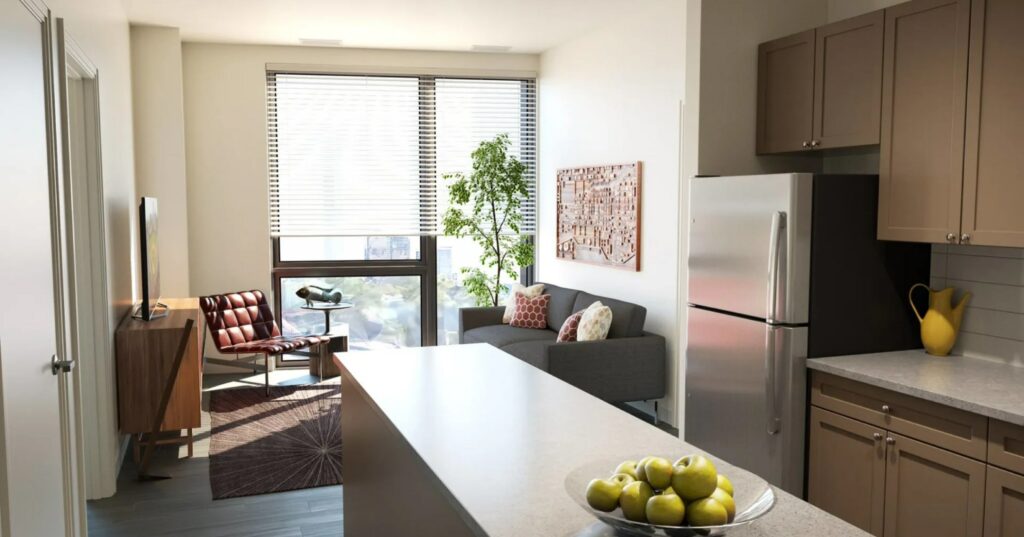
- Expansive windows that draw in daylight across living, dining and work zones
- Thoughtful orientation of units to capture morning or evening light where it matters most
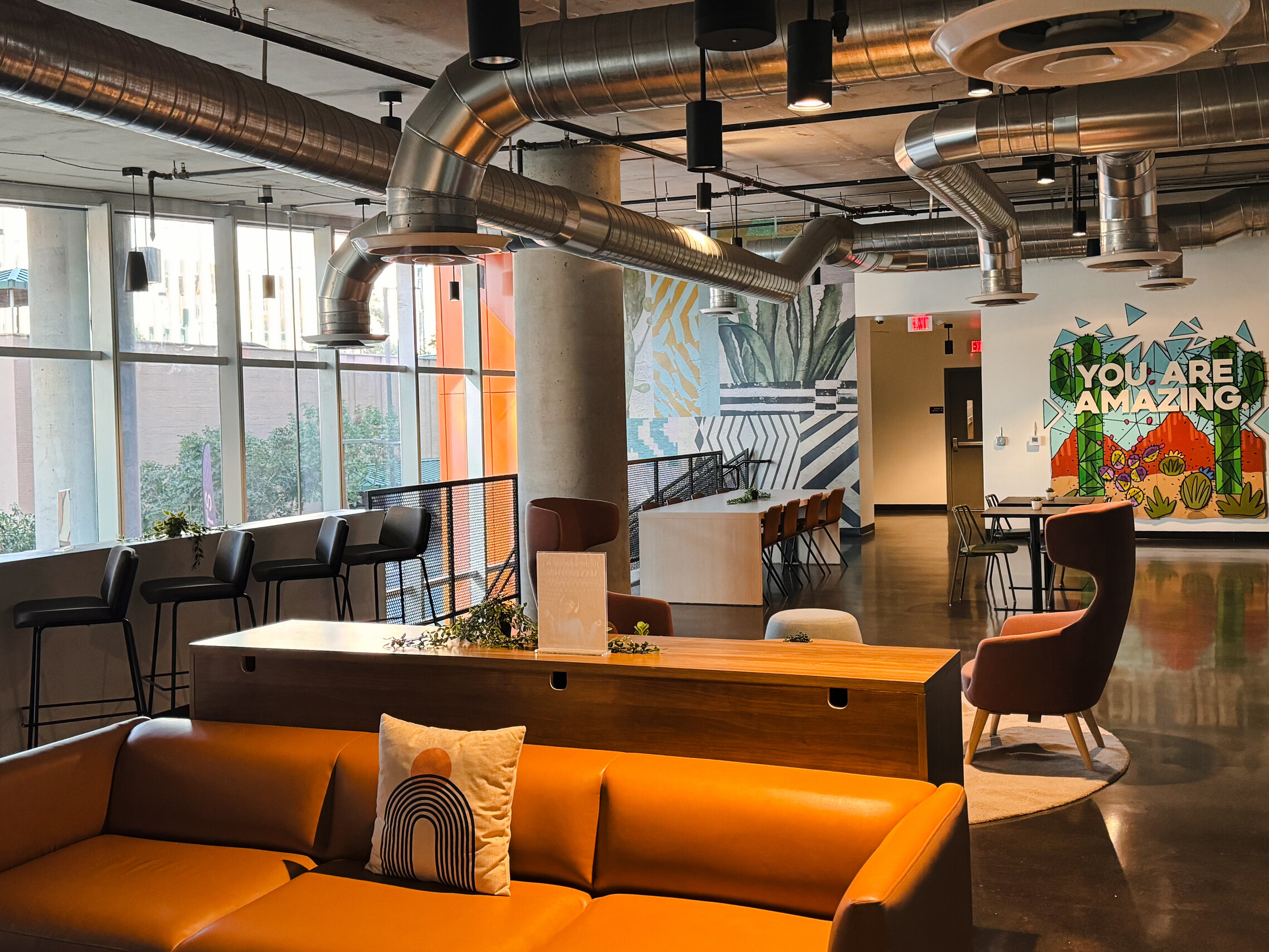
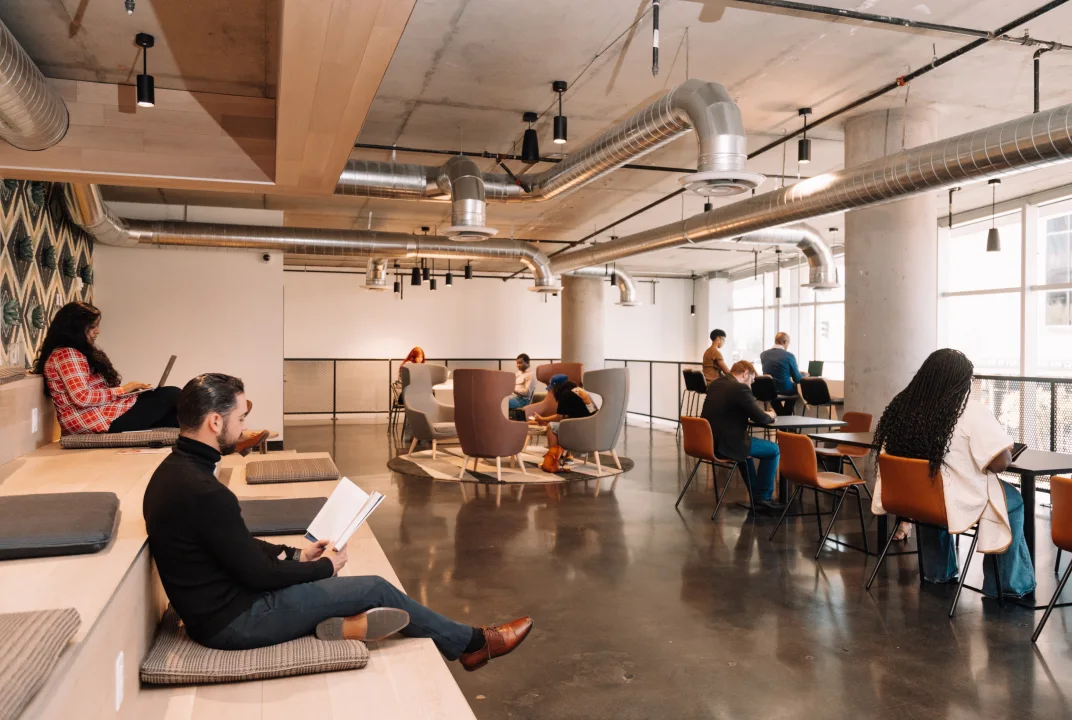
- Bright, airy common areas and coworking lounges that feel open rather than enclosed
At Sustain, residents are welcomed into serene apartment homes with expansive natural light and views that make it easy to feel connected to the outdoors, even when they’re answering emails from the kitchen table.
Sustainable Materials: Living Well With Nature, Not Against It
Surfaces that look harsh or overly synthetic can make a space feel cold and impersonal, while natural, tactile finishes tend to signal warmth, comfort and care.
Wellness‑forward buildings increasingly lean into:
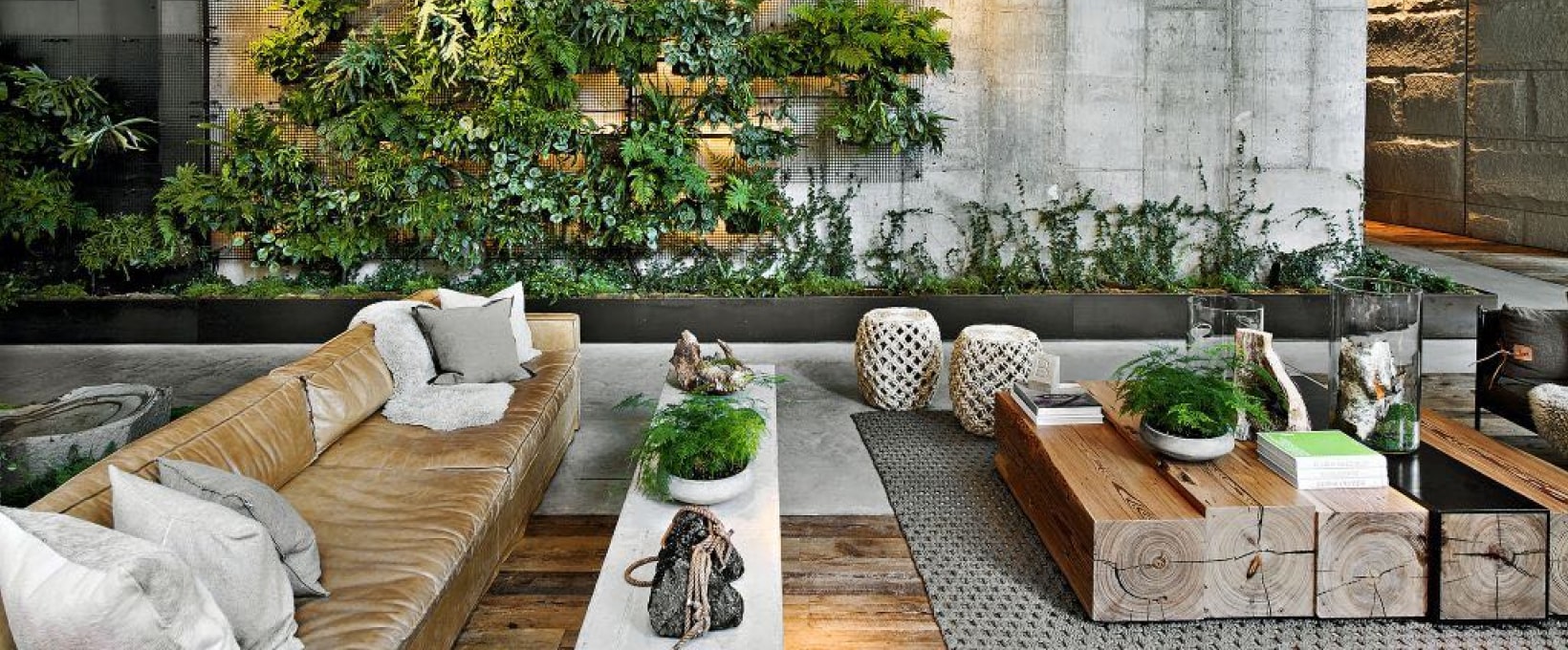
- Reclaimed and natural materials that bring subtle texture and warmth into everyday spaces
- Biophilic design elements like wood, stone, greenery and organic patterns that echo the outdoors
- Calming, nature‑inspired palettes that support relaxation instead of overstimulation
Many residents now look for communities where design choices, from finishes to landscaping, are made with care for the environment and for the people who live there, not just for visual impact.
Private Balconies and Terraces: Personal Sanctuaries in the Sky
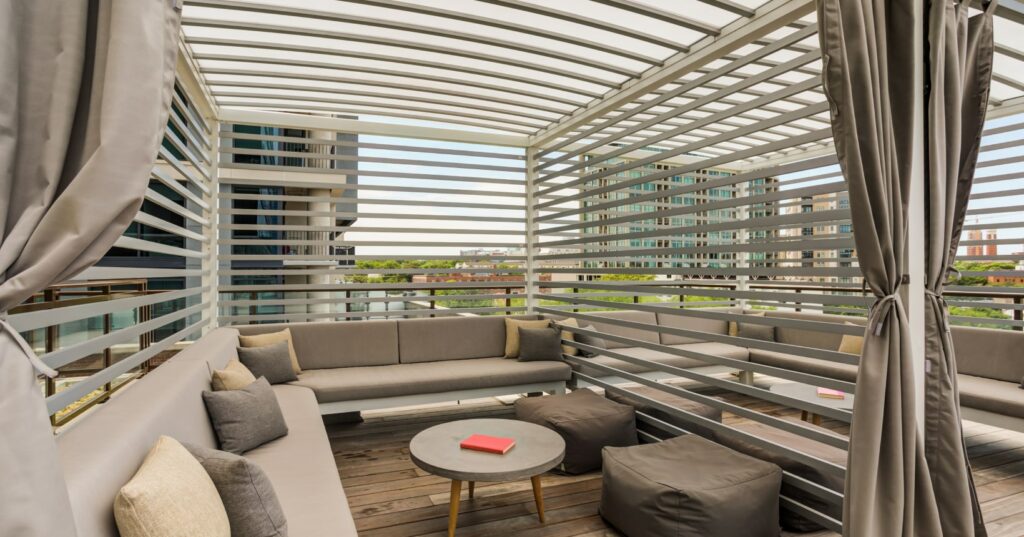
As cities grow denser and lives get busier, private outdoor space has become one of the most powerful mental health tools a home can offer. Balconies and terraces give residents a personal buffer between the intensity of the city and the quiet of home.
Those spaces are where daily rituals take shape:
- Morning coffee in fresh air before logging on
- A few stretches or a quick yoga flow between meetings
- An evening pause to watch the sunset or simply look out over the neighborhood
In high‑rise or mixed‑use communities, terrace‑level balconies and private outdoor nooks serve as mini‑sanctuaries for breathing and resetting without scheduling a trip to the park. Those small, ritualistic moments of privacy outside are often what make an apartment feel like a more restorative place to call home.
Shared Spaces, Community Gardens and the Need to Belong
A big part of mental health comes from feeling known, supported and connected to others. That’s why many wellness-forward communities are rethinking how shared spaces function:
- Spacious common areas designed for lingering, not just passing through
- Coworking lounges and community rooms where casual conversations and collaborations can unfold
- Community gardens and green courtyards that invite residents to plant, tend and gather together
At Sustain communities, for example, these shared lounges and coworking spaces host everything from morning yoga and coffee chats to skill‑share workshops and evening socials, giving residents low‑pressure ways to meet neighbors while still keeping plenty of room for privacy and focus.
How to Choose a Wellness‑Focused Home in 2026
If you’re comparing communities with wellness in mind, use a quick gut‑check instead of just scanning amenity lists:
- Light: Stand in the main living and working areas. Do they feel bright and open, or dim and closed‑in — even during the day?
- Outdoor access: Is there a balcony, terrace or courtyard you can realistically use, not just see in photos?
- Materials: Do finishes feel warm and natural, or cold and overly synthetic? Notice textures, greenery and how the space actually feels.
- Community fabric: Pay attention to how spaces are actually used. Look for gardens, walking paths, shared lounges and the option to join regular events or classes that make it easy for residents to spend time there, not just pass through.
- Daily rhythm: Picture a full day where you’d take a call, decompress, move your body and connect with others. Does this community make that flow feel easier?
Wellness‑centered communities like Sustain and other Akara Living properties are built around this kind of lived experience, designing apartments and shared spaces to nurture health, happiness and connection.
Explore Wellness‑Focused Living With Akara Living
Wellness‑focused living is now a core priority, as residents look for communities that support their well‑being in how they live, work and recharge.
If you’re exploring your next move and want a community designed around well‑being, connect with our team to learn more about Sustain and other Akara Living properties.